
(Español) EL NOMBRAMIENTO DE NUEVOS LÍDERES ABRE UN NUEVO HORIZONTE EN LA ATENCIÓN E INVESTIGACIÓN DEL CÁNCER

PETER PIPER PIZZA CELEBRATES NATIONAL PIZZA MONTH WITH FAMILY DEALS AND HALLOWEEN FUN

PETER PIPER PIZZA CELEBRATES NATIONAL PIZZA MONTH WITH FAMILY DEALS AND HALLOWEEN FUN
PR Newswire
PHOENIX, Oct. 15, 2026
Fresh, handcrafted pizza takes center stage this October with Jack-O’-Lantern Pizza, two extra-large pizzas for $29.99 and a digital gift card offer
PHOENIX, Oct. 15, 2026 /PRNewswire-HISPANIC PR WIRE/ — Peter Piper Pizza, the made-from-scratch pizza and family entertainment brand, is celebrating National Pizza Month with three ways for families to share a slice this October: a $29.99 Double Up XL deal, a digital gift card offer and the limited-time Jack-O’-Lantern Pizza.

Jack-O’-Lantern Pizza Serves Up Halloween Fun
Peter Piper Pizza’s fan-favorite Jack-O’-Lantern Pizza is back, bringing a tasty way to celebrate spooky season. The large pepperoni pizza features a crust shaped like a jack-o’-lantern and is available for dine-in, carryout and delivery, at participating locations starting at $16.48.
Double Up XL Offers Two Extra-Large Pizzas for $29.99
Whether gathering around a table or bringing pizza night home, families can enjoy more pizza to share with the Double Up XL deal: two extra-large, one-topping pizzas totaling 24 slices for $29.99. The offer is available for dine-in, delivery and carryout at participating locations.
Digital Gift Card Deal
To celebrate National Pizza Month, guests who purchase $50 in digital gift cards in October will receive an additional $10. The gift card offer applies to digital cards only at participating locations.
Buffet-Exclusive Pizzas Bring More Flavor to Lunch
Peter Piper Pizza’s all-you-can-eat weekday lunch buffet offers specialty pizzas not available on the regular menu. Available until 2 p.m., the buffet features rotating selections including returning favorites like:
- Bacon Cheeseburger: Pizza sauce with mozzarella, cheddar, beef, bacon, onion and tomato.
- Alfredo Pepperoni Parmesan: Alfredo sauce with mozzarella, provolone, Parmesan and pepperoni.
- Spinach Alfredo Tomato: Alfredo sauce with spinach, mozzarella and tomato.
- Hawaiian BBQ: BBQ sauce with mozzarella, ham, pineapple and onion.
- Bacon Ranch Jalapeno: Ranch sauce with mozzarella, cheddar, jalapeno and bacon.
Guests who don’t see their favorite pizza on the buffet line can simply request it, and the Peter Piper Pizza team will prepare it fresh. Buffet selections and pricing vary by location.
“National Pizza Month celebrates what we love most about pizza: bringing families together over great food,” said Genaro Perez, chief marketing officer of Peter Piper Pizza. “Whether families are discovering a new flavor at our lunch buffet, sharing two extra-large pizzas or taking home a Jack-O’-Lantern Pizza for Halloween, we’re serving up delicious pizza made with our signature fresh, made-from-scratch dough prepared daily, great value and plenty of reasons to make memories together.”
Guests can find their nearest restaurant and plan their next family outing at peterpiperpizza.com.
About Peter Piper LLC
Founded in 1973 in Glendale, Arizona, Peter Piper Pizza LLC is a wholly owned subsidiary of CEC Entertainment LLC. With more than 115 locations across the United States and Mexico, the family-friendly pizza restaurant specializes in made-from-scratch pizza dough prepared fresh daily, along with dine-in, delivery and carryout options.
Peter Piper Pizza offers a complete family dining and entertainment experience, featuring arcade games, an all-you-can-eat weekday lunch buffet and beer for adults. The brand is committed to children’s education and community support, donating more than $600,000 annually to schools, hospitals and nonprofits focused on children’s development. For locations, menu options and more information, visit peterpiperpizza.com.
Media Contact:
Sidney Hopkins
[email protected]
817-329-3257
SOURCE Peter Piper Pizza
LOS ANGELES AUTO SHOW BRINGS THE NEWEST VEHICLES, BIGGEST BRANDS AND MORE WAYS TO FIND YOUR DRIVE IN SOUTHERN CALIFORNIA

LOS ANGELES AUTO SHOW BRINGS THE NEWEST VEHICLES, BIGGEST BRANDS AND MORE WAYS TO FIND YOUR DRIVE IN SOUTHERN CALIFORNIA
PR Newswire
LOS ANGELES, Oct. 15, 2026
Nearly two dozen automotive brands span gas, hybrid, PHEV and electric vehicles
as the latest generation of available and forthcoming U.S.-market cars, trucks
and SUVs take center stage on November 20–29
LOS ANGELES, Oct. 15, 2026 /PRNewswire-HISPANIC PR WIRE/ — The Los Angeles Auto Show®, presented by Chevron with Techron®, returns on Nov. 20–29, 2026 with nearly two dozen automotive brands and one of the broadest opportunities of the year for consumers to experience the rapidly changing new-vehicle market in one place.

From affordable new vehicles across powertrains and surging consumer interest in hybrids to a resurgence in gas-powered options and an ever-evolving electric landscape, this year’s show brings together the choices shaping what Americans are buying now and what is arriving next. Consumers can sit, touch and compare vehicles from competing manufacturers side-by-side, speak directly with brand representatives without sales pressure and get behind the wheel through multiple test-drive and ride experiences, all included with admission.
The 2026 automotive lineup features vehicle showcases representing Acura, Alfa Romeo, Buick, Cadillac, Chevrolet, Chrysler, Dodge, Fiat, Ford, Genesis, GMC, Honda, Hyundai, Jeep, Kia, Lucid, Nissan, Porsche DTLA, Ram, Rivian, Subaru, Tesla, Toyota and Volkswagen.
“There has rarely been a more interesting time to shop for a new vehicle,” said Terri Toennies, President of Los Angeles Auto Show. “Consumers are weighing powertrain, technology, capability and price more than ever before. The LA Auto Show offers what online research and single dealerships can’t: the chance to compare brands side-by-side and find the right fit.”
A NEW GENERATION OF VEHICLES
The 2026 show arrives during one of the most active periods for new vehicle introductions in recent years. Growing hybrid demand is accelerating the expansion of electrified options across nearly every vehicle category, while automakers simultaneously advance gasoline, plug-in hybrid and fully electric vehicles simultaneously. Participating automakers have announced significant new products for the U.S. market, with most expected to roll into this year’s event.
Brand Highlights Include:
- Rivian R2: Refined and distinctly Rivian, the highly anticipated, all-electric R2 is engineered to seamlessly balance the daily commute with the open trail. With up to 656 horsepower, 0–60 mph in as quick as 3.6 seconds, an EPA-estimated 330 miles of range, dual-motor AWD, and Rivian Autonomy+ hands-free driving, it brings big adventure capability and an approachable, versatile package to a whole new audience.
- Genesis GV90: Genesis’ first full-size electric flagship SUV combines a striking design inspired by the Neolun Concept, an elegantly crafted available three-row interior and next-generation EV technology to deliver a new standard of comfort, refinement and innovation.
- Toyota Highlander: The all-new 2028 Highlander reimagines Toyota’s popular three-row SUV with bold styling, seating for seven and an all-electric powertrain offering up to 315 miles of range. Available with front or all-wheel drive, bidirectional power capability that can serve as a backup power source, a standard 14-inch touchscreen and customizable ambient lighting combine advanced technology with everyday family versatility.
- Kia Telluride Hybrid: Kia’s popular three-row SUV enters a new era with its first-ever turbocharged hybrid powertrain, delivering 329 horsepower, 339 lb.-ft. of torque, up to an EPA-estimated 35 mpg combined and an impressive 637-mile driving range, blending powerful performance, family versatility and exceptional efficiency.
- Chevrolet Silverado: The next-generation 2027 Chevrolet Silverado 1500 is the most powerful and advanced Silverado ever, combining new 5.7L and 6.6L V8 engines with an enhanced TurboMax delivering best-in-class standard torque. A bold new exterior, a digital cockpit anchored by class-leading 16.3-inch center and 12.2-inch driver information displays and Super Cruise hands-free driving make Silverado a standout on display.
- Porsche Cayenne Turbo Electric: Porsche redefines electric SUV performance with its most powerful production vehicle ever, delivering up to 1,139 horsepower, breathtaking 0–60 mph acceleration in 2.4 seconds, up to 317 miles of driving range and advanced all-wheel drive. Its 800-volt architecture enables ultra-fast charging from 10% to 80% in as little as 16 minutes under optimal conditions, combining supercar performance with everyday luxury and versatility.
- Nissan Rogue Hybrid: The all-new 2027 Nissan Rogue Hybrid brings Nissan’s globally proven hybrid e‑POWER technology to the U.S. for the first time, delivering smoother acceleration, quieter operation, confident control and strong fuel economy, estimated at up to 41 mpg city, 36 mpg highway and 38 mpg combined.
- Volkswagen Atlas Cross Sport: The redesigned 2027 SUV combines bold, coupe-inspired styling with a more powerful 282-horsepower turbocharged engine, available 4MOTION all-wheel drive, a sophisticated new interior and an available 15-inch touchscreen with AI-powered voice assistance, elevating performance, technology and premium comfort.
- Ford Mustang Dark Horse SC: The Mustang Dark Horse SC convertible brings Ford Racing performance to open-air driving. A supercharged 5.2-liter V8 delivering 795 horsepower makes the SC the most powerful Mustang convertible ever built by Ford.
- Hyundai Tucson: The next chapter of Hyundai’s compact SUV pairs unmistakably bold “Art of Steel” looks with class-leading cabin- and cargo space. Tucson’s powerful-yet-efficient next-generation hybrid delivers up to 42 mpg, while its groundbreaking new Pleos infotainment system promises to make everyday life easier.
- Subaru Forester Wilderness Hybrid: The first-ever Wilderness Hybrid combines 194 horsepower, standard Symmetrical All-Wheel Drive, 9.3 inches of ground clearance and advanced X-MODE off-road technology with up to 38% better fuel economy. Purpose-built for adventure, it blends rugged capability, enhanced traction and trail-ready versatility with electrified efficiency, bringing a new level of performance and practicality to Subaru’s popular adventure lineup.
- Dodge Charger Scat Pack: American muscle enters a new era with Dodge’s twin-turbocharged SIXPACK inline-six producing 550 horsepower and 531 lb.-ft. of torque, combining standard all-wheel drive, selectable rear-wheel drive and advanced performance technology.
- Jeep Cherokee Hybrid: The iconic SUV returns with an all-new 1.6-liter turbocharged hybrid powertrain delivering 210 horsepower, up to 37 mpg combined and more than 500 miles of driving range, pairing Jeep’s signature capability with electrified efficiency and advanced driver-assistance technology.
- Tesla Model Y L: Tesla expands its best-selling electric SUV with an extended wheelbase, three rows of seating for six, dual-motor all-wheel drive and 332 miles of EPA-estimated range, bringing greater space, versatility and advanced electric technology to the Model Y lineup.
- Acura NEXERA Vision: The Acura NEXERA Vision concept introduces a new design direction inspired by the brand’s challenger spirit. Designed at the Acura Design California studio in Los Angeles, the NEXERA Vision will influence the styling of future Acura models, beginning with the fourth-generation RDX Hybrid arriving in 2028.
- Ram 1500 HEMI: The legendary 5.7-liter HEMI V8 returns to the Ram 1500 with 395 horsepower, 410 lb.-ft. of torque and 48-volt eTorque mild-hybrid technology, combining traditional V8 performance with modern efficiency and up to 11,320 pounds of towing capability.
- Lucid Gravity GT-S: The new high-performance, three-row electric SUV delivers an extraordinary 1,070 horsepower, advanced rear-wheel steering and adaptive triple-chamber air suspension, bringing race-inspired engineering and exceptional luxury to one of America’s most powerful family SUVs.
- Chrysler Pacifica: The redesigned 2027 minivan introduces striking illuminated front-end styling, enhanced driver-assistance technology and available all-wheel drive, while retaining its signature Stow ‘n Go seating and up to eight-passenger versatility.
- Cadillac VISTIQ: Experience the Cadillac VISTIQ, an all-electric three-row SUV that brings together sophisticated design, spacious comfort and advanced technology. Discover a new expression of Cadillac luxury built for modern family adventures.
- GMC Sierra EV: Discover the GMC Sierra EV, an all-electric pickup that combines bold GMC design with innovative technology and everyday versatility. Explore a fresh approach to truck capability, comfort and electric performance.
- Buick Enclave: Explore the Buick Enclave, a premium three-row SUV designed for families who value comfort, style and modern technology. Its spacious interior and refined design bring sophistication to everyday drives and weekend getaways.
- Honda Base Station Prototype: Making its public debut at the 2026 Los Angeles Auto Show alongside a 2027 Honda Passport TrailSport, Honda’s lightweight camping trailer is towable by many SUVs. Designed to make outdoor adventures more accessible, its modular interior transforms from a compact, travel-ready cabin into a versatile living and sleeping space, while smart technology and integrated conveniences deliver comfort and practicality for off-grid exploration.
Together, these vehicles illustrate an automotive market no longer moving in a single direction. The rapid rise of hybrids is creating a new middle ground for millions of consumers, while gasoline, plug-in hybrid and battery-electric vehicles continue to evolve alongside them, giving shoppers more ways to balance performance, efficiency, capability, range, price and lifestyle.
DRIVE BEFORE YOU DECIDE
Outdoor street drives will once again give attendees the opportunity to take participating vehicles onto the streets of downtown Los Angeles. Meanwhile, the LADWP Test Track outside the Los Angeles Convention Center’s South Hall will focus on electric and hybrid vehicles from multiple manufacturers, allowing consumers the opportunity to experience competing electrified powertrains back-to-back.
Inside and around the Convention Center, capability-focused ride experiences include Ford Bronco Built Wild and the Camp Jeep Adventure Course, while Nissan will offer an indoor ride experience in South Hall.
Participating test drive and ride brands currently include Alfa Romeo, Chevrolet, Chrysler, Dodge, Fiat, Ford, Jeep, Kia, Lucid, Nissan, Ram, Rivian, Subaru, Tesla, Toyota and Volkswagen. Specific test drive vehicles will be announced closer to the show.
Every drive and ride is included with admission, giving consumers the chance to go from viewing a vehicle to experiencing how it performs on the road or over a purpose-built course.
ONE PLACE TO COMPARE WHAT’S NEXT
For consumers actively shopping for their next vehicle, the scale of the Los Angeles Auto Show creates a comparison-shopping environment difficult to replicate anywhere else. The surge in hybrid demand only expanded those choices, making side-by-side powertrain comparisons increasingly valuable.
Guests can move directly from a truck to a three-row family SUV, compare gas, hybrid, plug-in hybrid and electric vehicles, explore models across vastly different price points, experience new technology and talk with product specialists representing competing brands, all without the pressure of a traditional sales environment.
For enthusiasts and families, the experience extends beyond shopping, featuring custom and classic vehicles, cutting-edge technology, Southern California car culture, interactive experiences, kid-friendly activities and nearly one million square feet to explore.
The 2026 Los Angeles Auto Show runs Nov. 20–29 at the Los Angeles Convention Center. AutoMobility LA®, the show’s global media and industry day, takes place November 19. Public day tickets for the 10-day consumer show are on sale at LAAutoShow.com
Automotive brands, vehicles and experiences are subject to change.
Los Angeles Auto Show
[email protected]
SOURCE Los Angeles Auto Show
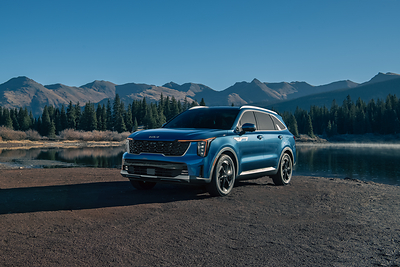
KIA ANNOUNCES PRICING FOR 2027 SORENTO HEV
KIA ANNOUNCES PRICING FOR 2027 SORENTO HEV
PR Newswire
IRVINE, Calif., Oct. 15, 2026
- New X-Line EX trim adds blackout exterior design elements
- HUD (Head-Up Display)1 added to SX-Prestige trim
- 2027 Sorento HEV MSRP starts at $39,0902
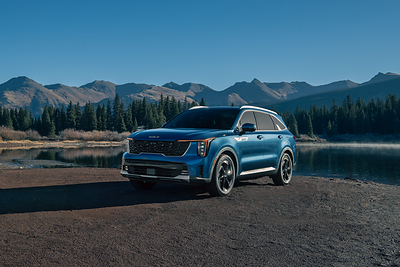
IRVINE, Calif., Oct. 15, 2026 /PRNewswire-HISPANIC PR WIRE/ — Kia America has announced pricing for the 2027 Sorento Hybrid. Designed for drivers who demand performance, style and functionality, the Sorento HEV features a new X-Line trim for the 2027 model year. The EX X-Line combines form and features, including gloss-black wheels, gloss-black exterior accents, as well as all the content found on the EX trim. All X-Line trims include machined wood inlays on the instrument panel and doors. Moving up to the X-Line SX Prestige adds a panoramic sunroof, Bose3 Premium Audio, and 2nd Row Captain’s Chairs. The range-topping SX-Prestige also gains a standard Head-Up Display.1
|
Pricing – MSRP (excludes $1,495 destination)1 |
|
|
Sorento HEV EX FWD |
$39,090 |
|
Sorento HEV EX AWD |
$40,890 |
|
Sorento HEV X-Line EX AWD |
$43,090 |
|
Sorento HEV X-Line SX-Prestige AWD |
$47,590 |
Major updates for model year 2027:
Options & Features
- New X-Line EX Trim added
- HUD now standard on all SX-Prestige trims
Exterior
- Pale Gray Replaces Steel Gray
- HEV Emblems added to tailgate
Click below for more information about the 2027 Kia Sorento HEV SUV:
- Vehicle specifications, including fuel economy
- Features and Options
Kia America – about us
Headquartered in Irvine, California, Kia America continues to top automotive quality surveys. Kia is recognized as one of the TIME World’s Most Sustainable Companies of 2026. Kia serves as the “Official Automotive Partner” of the NBA and WNBA and offers a range of gasoline, hybrid, plug-in hybrid, and electric vehicles sold through a network of nearly 800 dealers in the U.S., including several SUVs proudly assembled in America*
For media information, including photography, visit www.kiamedia.com. To receive custom email notifications for press releases the moment they are published, subscribe at www.kiamedia.com/us/en/newsalert
* The 2026 and 2027 all-electric EV6 and EV9 all-electric three-row SUV, Sportage (excluding PHEV model), Sorento (excludes HEV and PHEV models), and Telluride are assembled in the United States from U.S. and globally sourced parts.
1 Failure to pay attention to travel conditions and vehicle operation could result in loss of vehicle control. Always drive safely and use caution.
2 MSRP excludes destination and handling, taxes, title, license fees, options and retailer charges. Actual prices set by retailer and may vary.
3 Bose is a registered trademark of Bose Corporation.

SOURCE Kia America
Blue Shield of California Appoints Seasoned Financial Leader Erin Brewer to Board of Directors

Blue Shield of California Appoints Seasoned Financial Leader Erin Brewer to Board of Directors
PR Newswire
OAKLAND, Calif., Oct. 15, 2026
Brewer brings more than 25 years of financial and operational leadership to support Blue Shield’s affordability and healthcare transformation goals
OAKLAND, Calif., Oct. 15, 2026 /PRNewswire-HISPANIC PR WIRE/ — Blue Shield of California today announced the appointment of Erin Brewer, strategic advisor, and former chief financial officer at Lyft, to its Board of Directors. Brewer brings more than two decades of leadership experience spanning finance, strategy, operations, and corporate governance across healthcare, technology, and financial services.

Since joining Lyft as chief financial officer in 2023, and in her current advisory role, Brewer has helped lead a significant financial transformation, including the company’s first full year of profitability. She has overseen global organizations spanning finance, investor relations, internal audit, corporate strategy, business development, and other key business functions. She previously held leadership positions at Charles Schwab, Atlassian, and McKesson Corporation.
“Erin brings a combination of financial discipline, operational leadership, and experience transforming complex organizations,” said Pamela DeCoste, chair of Blue Shield of California’s Board of Directors. “Her perspective will strengthen the Board as Blue Shield works to make high-quality healthcare sustainably affordable.”
Brewer’s cross-industry experience will support Blue Shield’s efforts to modernize healthcare delivery, improve the consumer experience, and advance long-term financial stewardship in service of its nonprofit mission.
“I am honored to join the Blue Shield of California Board of Directors,” Brewer said. “Blue Shield’s mission and commitment to making high-quality healthcare sustainably affordable strongly resonate with me. I look forward to working alongside the Board and leadership team to advance that mission and drive meaningful impact for its members and communities.”
Brewer holds an MBA from the Haas School of Business at the University of California, Berkeley and a Bachelor of Science in Accounting from Purdue University.
About Blue Shield of California
Blue Shield of California strives to create a healthcare system worthy of its family and friends that is sustainably affordable. The health plan is a taxpaying, nonprofit, independent member of the Blue Shield Association with nearly 6 million members, over 6,800 employees and more than $28 billion in annual revenue. Founded in 1939 in San Francisco and now headquartered in Oakland, Blue Shield of California and its affiliates provide health, dental, vision, Medicaid and Medicare healthcare service plans in California. The company has contributed more than $60 million to the Blue Shield of California Foundation in the last three years to have an impact on California communities. For more news about Blue Shield of California, please visit news.blueshielldca.com. Or follow us on LinkedIn or Facebook.
CONTACT: Mark Seelig
Blue Shield of California
510-607-2359
[email protected]
SOURCE Blue Shield of California
TACO BELL® REMIXES HORCHATA AS LIVE MÁS CAFÉ EXPANDS INTO NEW MARKETS
TACO BELL® REMIXES HORCHATA AS LIVE MÁS CAFÉ EXPANDS INTO NEW MARKETS
PR Newswire
IRVINE, Calif., Oct. 15, 2026
TLDR:
- Strong Live Más Café performance is fueling Taco Bell’s next phase of beverage growth, giving the brand confidence to expand the concept and accelerate innovation as it works toward its goal of $5 billion in beverage sales by 2030.
- On October 15, Live Más Café is remixing the beloved flavor of horchata across three distinct beverage formats: Chiller, Cold Brew and Refresca, with select sips expanding to Taco Bell restaurants nationwide in December.
- Later this year, Live Más Café will enter the greater Indianapolis area, continue growing its Southern California footprint, and introduce a first-of-its-kind flagship Café on the Las Vegas Strip.
- Live Más Café assets can be found HERE.
IRVINE, Calif., Oct. 15, 2026 /PRNewswire-HISPANIC PR WIRE/ — Taco Bell is pouring more into beverages. Fueled by strong Live Más Café performance, the brand is kicking off the concept’s next chapter with new sips, new markets and more ways to explore what fans want to drink next.
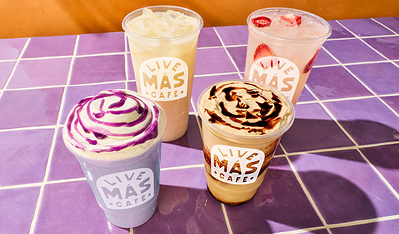
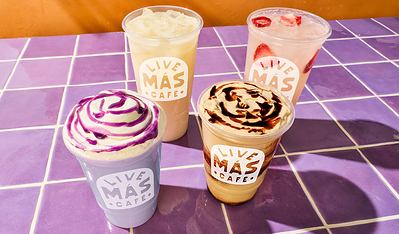
On October 15, Taco Bell will introduce four new horchata-inspired sips at Live Más Café locations, bringing its take on the beloved flavor to three distinct formats. From the creamy, frozen Purple Horchata Chiller to the coffee-forward Chocolate Horchata Cold Brew Float, and the fruity, refreshing Strawberry and Vanilla-Spiced Horchata Refrescas, the four-drink lineup offers something for every kind of beverage craving.
At the same time, Live Más Café is growing alongside its menu. Later this year, the concept will make its debut in the greater Indianapolis area, expand its Southern California footprint, and introduce a first-of-its-kind flagship in Las Vegas. The expansion marks an important next chapter for Live Más Café, which has quickly evolved from a single test location into a powerful business driver for Taco Bell. Over the past year, Café locations have delivered favorable transaction growth, showing how the concept is creating new reasons for fans to visit Taco Bell.
“Our fans have always loved our beverages, and the response to Live Más Café has shown us they’re craving even more,” said Liz Matthews, Global Chief Food Innovation Officer at Taco Bell. “Seeing that excitement continue to grow across our Cafés tells us we’re onto something special, and we’re ready to take it even further with bold new drinks and more ways for fans to experience Live Más Café.”
Horchata, However You Want It
Taking inspiration from Mexican horchata, Live Más Café is reimagining the creamy, vanilla-spiced flavor fans know and love across three distinct beverage formats, each designed to satisfy a different kind of craving. Whether fans want something frozen and indulgent, coffee-forward, or fruity and refreshing, there’s a sip for that.
- Purple Horchata Chiller: The head-turner of the lineup blends the creamy vanilla ice cream Chiller base with Taco Bell’s horchata syrup, topped with whipped cream and a purple horchata syrup drizzle. (Small $4.19* / Medium $4.59*)
- Chocolate Horchata Cold Brew Float: Coffee meets horchata meets dessert. Smooth, bold, full-bodied Cold Brew sits beneath a blended mix of the Café’s signature Chiller base with our creamy, sweet, vanilla-spiced horchata syrup and churro crumbles, topped with a drizzle of rich Mexican-inspired dark chocolate syrup with warm cinnamon notes. (Small $4.79* / Medium $5.29*)
- Strawberry Horchata Refresca: First previewed at Live Más LIVE 2026, this fruity remix combines a creamy and sweet, vanilla-spiced drink with hints of cinnamon, a swirl of wild strawberry syrup and mixed with pieces of real freeze-dried strawberries, served over ice. (Medium$4.19* / Large $4.59*)
- Vanilla Spiced Horchata Refresca: A classic take on the signature flavor, featuring a creamy and sweet, vanilla-spiced drink with hints of cinnamon. (Medium $4.19* / Large $4.59*)
But this Live Más Café debut is just the first sip. On December 10, the Strawberry Horchata Refresca, Vanilla Spiced Horchata Refresca, and a new Vanilla Spiced Horchata Freeze will join Taco Bell menus nationwide for a limited time, giving fans across the country even more ways to enjoy horchata flavors, and reinforcing Live Más Café as Taco Bell’s hub for beverage innovation.
More Ways to Café
Live Más Café’s next phase will take shape differently across markets, from bringing the concept to new fans to reimagining what the Café experience itself can be.
In Las Vegas, Taco Bell is teaming up with longtime franchise partner Diversified Restaurant Group (DRG) to bring a one-of-a-kind destination to the Strip. Opening later this fall, the standalone Café will live inside a shipping container adjacent to the Las Vegas Taco Bell Cantina at 3717 S Las Vegas Blvd Ste 140-A. Beyond the concept’s 20+ specialty beverages, fans can get a taste of Vegas-exclusive spiked creations like the BOOZY MOUNTAIN DEW® BAJA BLAST® , Strawberry Passionfruit Refresca Rush and Cold Brew Cinnatini, plus shop exclusive Taco Bell merchandise only available at this location — making the flagship a must-visit destination for Taco Bell fans.
Across the greater Indianapolis area, Live Más Café will enter the new market with three locations. Two will be company-owned, while a third will be operated by KMAC Enterprises, the latest Live Más Café franchise development partner. The first of these Live Más Cafés will celebrate its grand opening on Thursday, October 22 at 252 E State Street in West Lafayette, with additional locations in Greenfield and Muncie planned to follow before the end of 2026.
Closer to home, Taco Bell will continue growing Live Más Café across Southern California through the remainder of the year. A Café will open at Century City Mall, with two additional Cafés planned for Irvine and Tustin later this year. The new Cafés build on the concept’s existing Southern California footprint, giving even more fans the opportunity to make specialty beverages part of their Taco Bell routine.
Sip, Test, Repeat
Since launching, Live Más Café has introduced almost two dozen new beverage innovations, including the You Seem Pretty Pink for a Baja Blast, which became the best-selling beverage launch in Live Más Café history. With approximately 1.3 million beverages sold to date and breakfast and afternoon emerging as the most popular dayparts, Live Más Café continues to build momentum, demonstrating the concept’s ability to create new Taco Bell occasions.
Each sip, test and learning is helping inform Taco Bell’s broader beverage strategy as the brand works toward its goal of reaching $5 billion in beverage sales by 2030. Live Más Café gives Taco Bell a place to experiment with new flavors and formats, learn what fans crave and understand what could have potential beyond Café walls.
And the experimentation isn’t just staying in the U.S. As Taco Bell continues growing internationally, the brand is exploring how its beverage learnings could translate to fans around the world.
Live Más Café currently has 39 locations across Southern California, Houston, Dallas, Indiana and Las Vegas. Additional opening details will be shared locally as each new Café gets ready to pour. Fans can find their nearest Live Más Café via the store locator.
*At participating locations for a limited time only, while supplies last. Contact restaurant for prices, hours and participation, which vary. Taxes extra. Prices higher with delivery. For items sold only at Live Más Cafés please see available locations: https://locations.tacobell.com/store-locators/live-mas-cafe-near-me.html
About Taco Bell Corp.
For more than 64 years, Taco Bell has brought innovative, craveable Mexican-inspired food to the masses, and was recently recognized as one of Fast Company’s World’s Most Innovative Companies, one of TIME’s Most Influential Companies, and Nation’s Restaurant News’ Brand Icon. For more information about Taco Bell, visit our website at www.TacoBell.com, our Newsroom at www.TacoBell.com/news, or check out www.TacoBell.com/popular-links. You can also stay up to date on all things Taco Bell by following us on LinkedIn, TikTok, X, Instagram, Facebook and by subscribing to our YouTube channel.
Kathryn Kelly – Taco Bell Corp.
[email protected]
Megan Reilly – Edelman
[email protected]

SOURCE Taco Bell Corp.
Montefiore Einstein Introduces Newly Renovated Labor & Delivery Suite at Jack D. Weiler Hospital

Montefiore Einstein Introduces Newly Renovated Labor & Delivery Suite at Jack D. Weiler Hospital
PR Newswire
BRONX, N.Y., Oct. 15, 2026
The Project Was Funded by a $9.68 Million New York Statewide Health Care Facility Transformation Program Fund
BRONX, N.Y., Oct. 15, 2026 /PRNewswire-HISPANIC PR WIRE/ — Elected officials and Montefiore Einstein staff proudly unveiled a newly renovated labor and delivery (L&D) suite at Jack D. Weiler Hospital. Funded by a $9.68 million New York Statewide Health Care Facility Transformation Program grant, the Weiler Mother Baby Unit located on the sixth floor at 1825 Eastchester Road includes a redesigned workflow and capital upgrades to its L&D rooms, maternal surgical suite, and triage and waiting areas.

“Our hospital is the only regional perinatal center in the Bronx, taking care of the highest risk pregnancies across the Bronx and part of Queens,” said Angela Gonzalez-Perez, MPA, FACHE, Vice President of Operations and Executive Director, Jack D. Weiler Hospital. “It was of the utmost importance for us to ensure that our patients experience a warm, welcoming environment where they can receive the finest care possible. Thanks to the tremendous support from New York State, this newly renovated space serves as the physical embodiment of our vision of being a premier academic medical center that transforms health and enriches lives.”
Enhancing Experiences for Bronx Patients
The modernized Unit includes state-of-the-art upgrades to L&D rooms with ensuite bathrooms; a reconfigured clinician team station and workflow; a modernized triage area with six triage bays and one evaluation triage bay; a modernized maternal surgical suite with a dedicated C-Section Post-Anesthesia Care Unit including four bays; and upgrades to the three Delivery Room Operating Rooms. Additionally, lighting has been enhanced throughout the Unit offering a more comfortable and soothing environment. Montefiore Einstein has also invested in remote monitoring tools to support the patients and clinical teams and is offering new food options to enhance the patient experience.
Under the leadership of Mark H. Einstein, M.D., M.S., who became the Chella and Moise Safra Endowed Chair, Department Chair of Obstetrics & Gynecology and Women’s Health in 2024, 26 new physicians specializing in areas including critical care obstetrics, adolescent medicine and onco-fertility, in addition to nurse practitioners and physician assistants have been on-boarded to support care. Services like universal depression screening in the hospital, collaborative care with reproductive psychiatry, a specialized postpartum outpatient clinic for individuals with medically complex or high-risk pregnancies, as well as a cardiac maternal medicine program also continue to grow. Dr. Einstein’s leadership team has been instrumental in the design of the newly unveiled Unit.
“With the new technology upgrades and redesigned workflows, we are equipped to take care of the most complex cases and do so in a beautiful new family friendly atmosphere,” said Rodney Wright, M.D., Vice Chair, Obstetrics.
“I couldn’t be prouder to unveil this unit and continue growing our department and offerings to support our patients and their loved ones,” said Mark H. Einstein, M.D., M.S., who is also a professor of Obstetrics & Gynecology and Women’s Health (Gynecological Oncology) at Albert Einstein College of Medicine.
The renovation of the L&D has been conducted in phases with no interruption to patient care. Five of the six phases are complete, with the final phase including renovations of the last two L&D rooms, plus a back service elevator upgrade, planned for completion in early 2027.
SOURCE Montefiore Health System
Saint Gertrude Cemetery & Mausoleum in Colonia Hosts Open House Weekend Oct. 24 and 25 With 0% Interest for 48 Months

Saint Gertrude Cemetery & Mausoleum in Colonia Hosts Open House Weekend Oct. 24 and 25 With 0% Interest for 48 Months
PR Newswire
WOODBRIDGE TOWNSHIP, N.J., Oct. 15, 2026
Families can tour the Chapel Mausoleum of the Resurrection and reserve space in advance in the new Open-Air Mausoleum of the Holy Family, now under construction
WOODBRIDGE TOWNSHIP, N.J., Oct. 15, 2026 /PRNewswire-HISPANIC PR WIRE/ — Saint Gertrude Cemetery & Mausoleum invites families from across New Jersey and New York to its Open House Weekend on Saturday, Oct. 24, and Sunday, Oct. 25, featuring 0% interest for 48 months on arrangements made during the event.
Visitors can explore burial and cremation options, tour the cemetery’s sacred spaces, and meet one-on-one with compassionate Memorial Planning Advisors. No appointment or obligation is necessary.
A New Addition: The Open-Air Mausoleum of the Holy Family
Construction is under way on the Open-Air Mausoleum of the Holy Family, a state-of-the-art, campus-style addition to Saint Gertrude. Features include:
- Luxurious indoor and open-air crypts
- Cremation niches for individuals and companions
- Magnificent liturgical mosaics crafted by world-renowned Alexander Studios
- Luminous skylights throughout
Reserving space before construction is complete lets families lock in current pricing before prices increase and gain peace of mind.
“With the Open-Air Mausoleum of the Holy Family taking shape, this is the ideal time for families to plan ahead, save money, and gain peace of mind,” said Joseph Heckel, Executive Director of Catholic Cemeteries of the Archdiocese of Newark.
Open house hours are 8:30 a.m. to 4:30 p.m. both days at 53 Inman Avenue, Colonia. This is the last chance to save with 0% financing for 48 months at Saint Gertrude until 2027; the offer ends Sunday, Oct. 25.
For more videos, photos, and details, visit https://rcancem.org/open-house/saint-gertrude. You can also request more information at cemetery@rcan.org.

SOURCE Catholic Cemeteries of the Archdiocese of Newark
Meijer Now Accepts evermore Cards, Expanding Access to Healthy Food and OTC Products for Medicare Customers

Meijer Now Accepts evermore Cards, Expanding Access to Healthy Food and OTC Products for Medicare Customers
PR Newswire
GRAND RAPIDS, Mich., Oct. 14, 2026
Midwest retailer adds another convenient payment option for eligible shoppers
GRAND RAPIDS, Mich., Oct. 14, 2026 /PRNewswire-HISPANIC PR WIRE/ — Meijer announced today it now accepts evermore over-the-counter (OTC) spend cards, expanding the ways eligible Medicare customers can use qualifying supplemental health plan benefits to purchase covered OTC products and other plan-approved items.

The new direct integration with evermore makes it easier for participating Medicare plan members to shop for approved health and wellness items at Meijer, including eligible OTC products and other items covered under their specific plan benefits.
“At Meijer, we are committed to helping customers take care of their health in convenient, affordable, and accessible ways,” said Jackie Morse, Group Vice President of Pharmacy and Health at Meijer. “By accepting evermore OTC spend cards, we’re giving eligible customers another simple way to use the benefits available through their health plans while shopping for the everyday essentials, healthy foods, and wellness products they need.”
The integration comes as many Medicare Advantage plans continue to offer supplemental benefits that help seniors purchase approved items designed to support their health and well-being.
Customers should refer to their health plan materials or contact their plan provider for details about eligible products, available balances, and benefit timing.
“Meijer has spent more than 90 years earning a place in Midwest households,” said Jared Childs, VP of Growth at evermore. “They have become a beloved destination where families do their shopping — food, pharmacy, everyday essentials, all in one stop, and by expanding evermore’s card acceptance to Meijer, we’re opening up access across Michigan, Ohio, Indiana, Illinois, Kentucky, and Wisconsin, core markets for the people we serve.”
For more information, customers can visit their local Meijer store or contact their Medicare plan provider to confirm card eligibility and covered items.
About Meijer: Meijer is a privately owned, family-operated retailer that serves customers at more than 500 supercenters, grocery stores, neighborhood markets, and express locations throughout the Midwest. As the pioneer of the one-stop shopping concept, more than 70,000 Meijer team members work hard to deliver a friendly, seamless in-store and online shopping experience featuring an assortment of fresh foods, high-quality apparel, household essentials, and health and wellness products and services. Meijer is consistently recognized as a Great Place to Work and annually donates at least 6 percent of its profit to strengthen its communities. Additional information on the company can be found by visiting newsroom.meijer.com.
SOURCE Meijer
L’Oréal Paris Champions 21 Years of Grassroots Impact, Announcing the 2026 Class of Women of Worth Honorees

L’Oréal Paris Champions 21 Years of Grassroots Impact, Announcing the 2026 Class of Women of Worth Honorees
PR Newswire
NEW YORK, Oct. 14, 2026
Entering its third decade, the brand’s signature philanthropic initiative awards $250,000 in grants to 10 visionary female nonprofit founders turning lived experience into nationwide change.
NEW YORK, Oct. 14, 2026 /PRNewswire-HISPANIC PR WIRE/ — Today, L’Oréal Paris USA proudly announces the 2026 class of Women of Worth honorees, recognizing 10 extraordinary female nonprofit leaders whose courage and vision are transforming communities nationwide. Each founder has channeled personal adversity into a powerful catalyst for good, establishing groundbreaking ventures that provide critical resources to vulnerable populations. To fuel their momentum, each honoree receives a $25,000 grant, alongside strategic mentorship and national visibility across L’Oréal Paris’ platforms.

For more than 50 years, L’Oréal Paris has championed a singular, defining truth: that when a woman believes she’s worth it, there is nothing she cannot do. For over two decades, the Women of Worth program has brought this belief to life, investing in 210 women whose work spans vital causes—from mental health and education to environmental justice and disability inclusion. Each milestone serves as living proof that when a woman recognizes her inherent worth, she unlocks the power to change the world around her.
The 2026 honorees embody this spirit, pioneering solutions in fertility preservation for cancer survivors, support for human trafficking and gender violence survivors, inclusive STEM and design education, and workforce equity.
“Women of Worth is the beating heart of our brand,” said Laura Branik, President of L’Oréal Paris USA. “It is the ultimate expression of our belief that when a woman knows she’s worth it, she can change everything. We are immensely proud to stand behind these incredible non-profit leaders, giving them the platform and resources to scale their vision and deepen their impact.”
Amplifying this year’s class on a national stage is actress, producer, and advocate Kristen Bell, in her debut as L’Oréal Paris’ newest global brand ambassador.
“I am so deeply honored to be part of this year’s Women of Worth celebration,” said Bell. “Here’s the thing about L’Oréal Paris that I love — they don’t just tell women they’re worth it, they actually hand you the tools to go prove it to yourself. And these honorees? They took one spark of something they cared about and turned it into an actual force — the kind that doesn’t stop with them. It ripples. It reaches the next person, and the next. That’s what owning your worth really looks like — not something you keep for yourself, but something you pass down the line. That’s inspiring.”
In partnership with Points of Light, the program’s official nonprofit partner, L’Oréal Paris has selected the following 2026 Women of Worth Honorees:
- Amanda Rice – Austin, Texas; Founder & CEO, The Chick Mission: Removing financial barriers to fertility preservation for young women diagnosed with cancer.
- Arielle Galinsky – Canton, Massachusetts; Co-Founder & CEO, The Legacy Project, Inc.: Connecting younger and older adults through multigenerational friendship and storytelling.
- Chanel Power – New York, New York; Founder & CEO, Mentor Me Collective: Creating pathways for first-generation technologists to build careers in tech.
- Christie Brungardt – Hays, Kansas; Founder & Board Member, Jana’s Campaign: Delivering education-based gender and relationship violence prevention programs.
- Christy Vogel – St. Petersburg, Florida; Founder & Executive Director, Sounding Joy: Providing hearing aids and life-changing access to sound for children in need.
- Emily Cho – Bergen County, New Jersey; Founder & Executive Director, Juvie for STEM: Expanding access to high-quality STEM education for justice-involved youth.
- Jordan Pine – Camp Hill, Pennsylvania; Founder & CEO, Greenlight Operation: Combating human trafficking and delivering restorative care for survivors.
- Marisa Hamamoto – Los Angeles, California; Founder & CEO, Infinite Flow Dance: A disability-led nonprofit and professional dance company reimagining possibilities.
- Maya Bird-Murphy – Chicago, Illinois; Founder & Executive Director, Mobile Makers Chicago: Expanding design education and architectural equity for underserved youth.
- Vy Le – Olympia, Washington; Founder & CEO, WhereWear: Transforming clothing donations into targeted support for women’s shelters and unhoused individuals.
As Women of Worth enters its third decade, L’Oréal Paris invites the public to celebrate this milestone and support these changemakers at www.WomenOfWorth.com.
About Points of Light Points of Light is a nonpartisan, global nonprofit organization that inspires, equips, and mobilizes millions of people to take action through volunteering and civic engagement. Operating across 32 countries, the organization galvanizes over 3.8 million volunteers to meet critical community needs. Learn more at www.pointsoflight.org.
About L’Oréal Paris Women of Worth For 21 years, L’Oréal Paris’ signature philanthropic program has brought its iconic tagline—”Because You’re Worth It”—to life by honoring grassroots female leaders. Each year, ten founders receive financial grants, professional network mentorship, and a national stage to elevate their charitable missions.
About L’Oréal Paris USA The L’Oréal Paris division of L’Oréal USA, Inc. is a total beauty care brand dedicated to empowering women by offering innovative products and services in the mass market. Born in 1973, the brand’s signature tagline, “Because You’re Worth It,” celebrates the intrinsic self-worth of women worldwide across hair color, haircare, skincare, and cosmetics. Discover more at www.LOrealParisUSA.com or follow @LOrealParisUSA on Facebook, TikTok, and Pinterest and @LOrealParis on Instagram.

SOURCE L’Oréal Paris